Record what has been installed
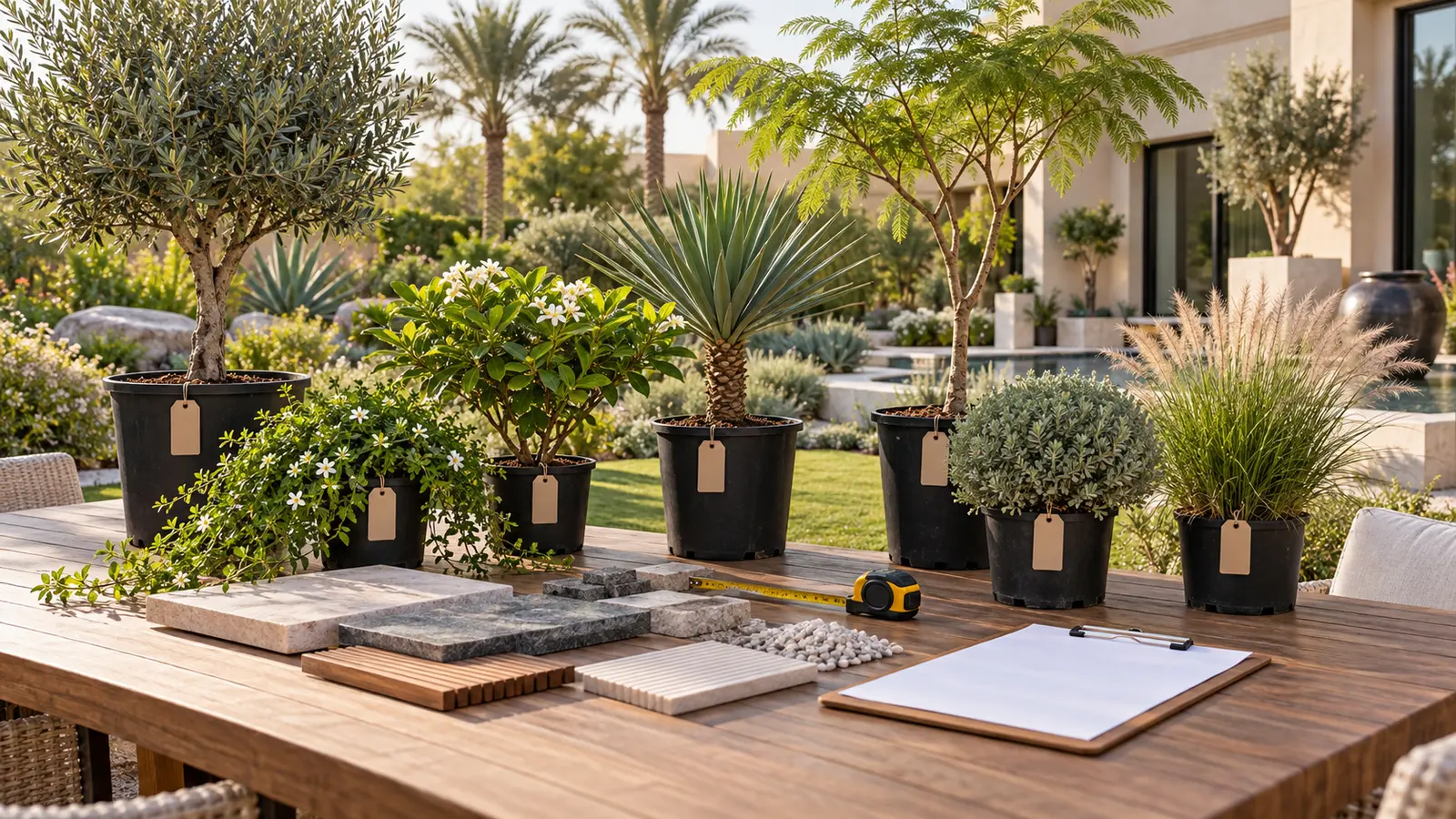
Keep the planting schedule, hardscape specification and irrigation information together. Plant names, quantities and sizes help the owner or maintenance team understand the intended garden. Review the agreed scope and record incomplete work or concerns with clear locations. Distinguish construction items from the ongoing care of living planting.
Clarify establishment responsibilities
Ask who is responsible for watering, inspections, adjustments and reporting during the agreed establishment period. The scope should explain how concerns and proposed replacements are assessed. Avoid treating installation day as proof that every plant will establish successfully; conditions and ongoing care remain part of the garden’s development.
Keep the practical information accessible
The people caring for the garden need the controller guidance, service access locations and product care records. Explain how changes to planting or paving should be reviewed against the existing systems. A living landscape evolves, and a clear record helps future decisions respect the work beneath the surface as well as what is visible.
A planning scenario
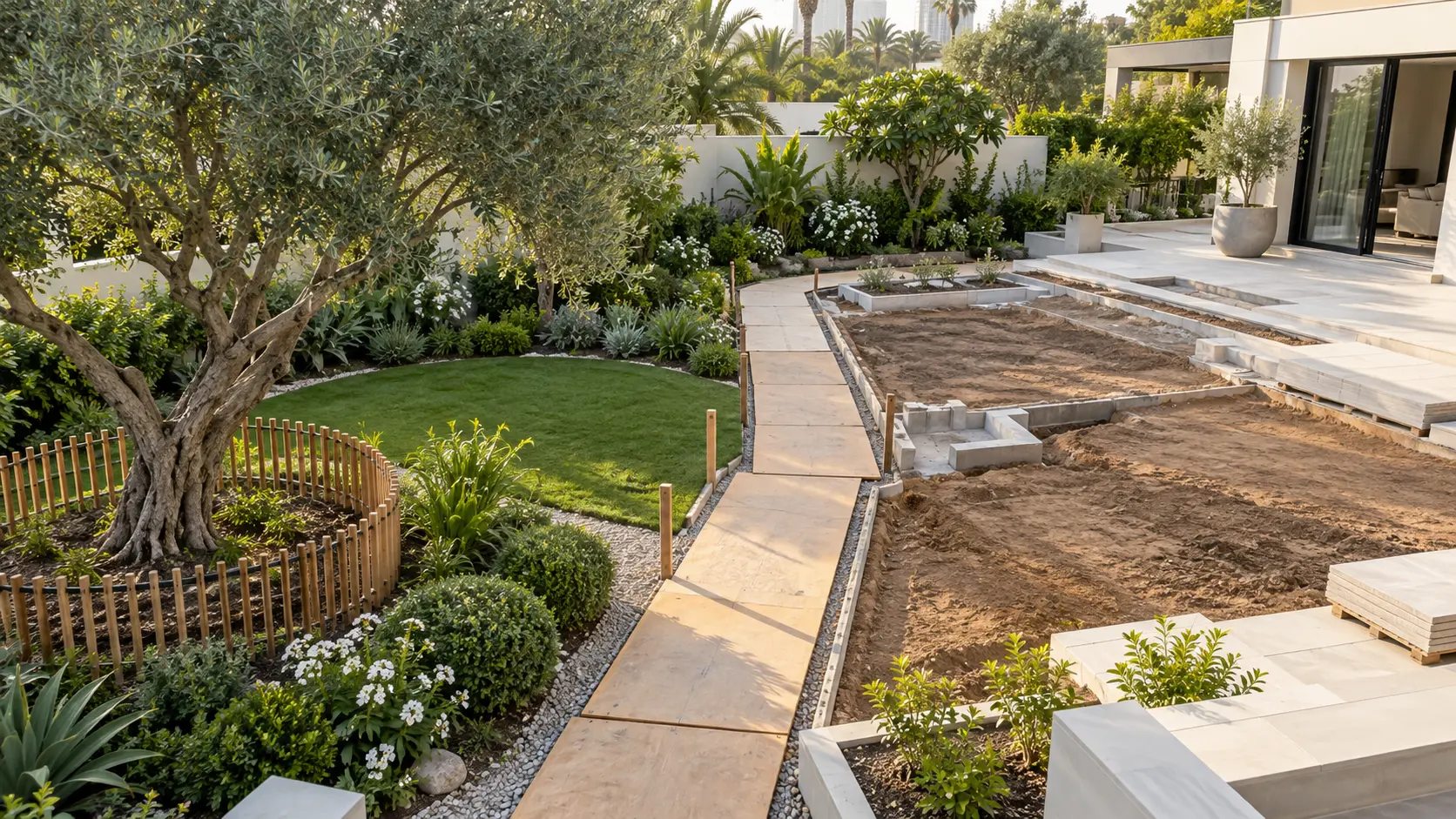
In a fictional garden renovation, retained planting sits beside new beds and a revised irrigation system. The handover separates care of the existing plants from establishment of the new stock, while documenting the controls. The scenario illustrates responsibility planning without promising plant survival or a fixed maintenance outcome.
A useful review checklist
Use these prompts to turn the discussion into a record that can be compared with drawings, supplier information and the project scope. Mark what is confirmed, who needs to respond and when the decision is required.
- Retain final planting and hardscape schedules
- Review irrigation controls and access
- Agree establishment responsibilities
- Record snags and reporting contacts
- Keep product and seasonal-care guidance
Walk the garden against the agreed scope
Review paths, surfaces, planting, equipment and retained elements using the final schedule and relevant drawings. Record the location of incomplete work or concerns without assuming a technical cause. Distinguish the appearance of newly installed planting from an unsupported promise of instant maturity. Ask the landscape team to explain the intended development of the actual planting and what the agreed establishment arrangement covers.
Make responsibilities specific to each task
Identify who monitors planting, manages irrigation, undertakes routine care and responds to equipment concerns. Some tasks may belong to the installation appointment while others require a separate provider. State the agreed visits or services without inventing an ongoing commitment. The owner should understand who to contact and what information to provide. A broad promise of aftercare is less useful than a clear scope connected to the actual garden.
Keep plant and material records together
Retain the installed planting schedule, relevant product references and care guidance for hardscape and equipment. Note significant substitutions and retained items. Use photographs to help identify locations, while keeping written references for products that cannot be reliably identified from an image. If a plant or component is replaced, update the record. This gives future maintenance conversations a reliable starting point and avoids treating an early design schedule as the final installed garden.
Agree how establishment concerns are reviewed
Describe what observations the owner should share and how the responsible provider assesses them. Keep a dated record of issues and agreed actions. Do not assume every change in appearance has the same cause or that every plant carries identical replacement terms. Retain the actual appointment and any supplied warranty conditions. Establishment is easier to manage when expectations, limitations and communication are understood before the installation team leaves.
Carry the decision through to delivery
Keep the accepted decision with the current scope and drawings. If a product, layout or responsibility changes, record the effect on the other work before purchasing or proceeding. At completion, retain the relevant operating and care information with the project record. The next conversation is more useful when the unresolved questions are visible.
Sources & further reading
Make this useful for your project.
A review of your property and priorities can turn general guidance into a defined brief.
Explore Garden renovationDiscuss your project