Thoughtful design
Begin with use, proportion and the existing place. Make each decision part of a coherent whole.
Verdelle creates a thoughtful framework for gardens: planting, paths, shade, water and places to pause. We plan around the site and the level of care you want to give it.
 DESIGN CONCEPT
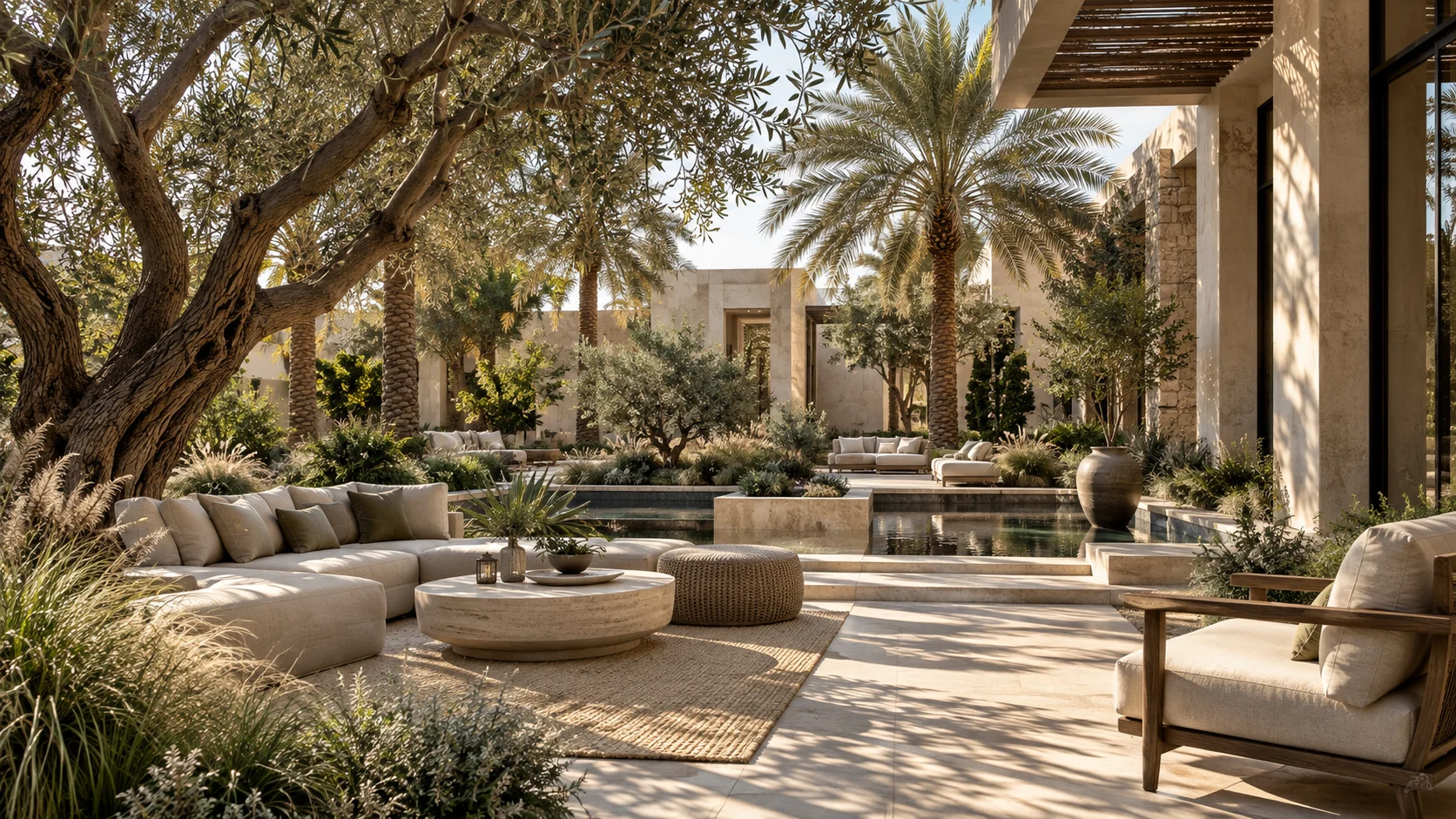
Gardens planned for use, water, shade and long-term care. The first step is to understand the place and the brief, then identify the design, delivery and specialist work needed.
Your proposal names the contracting parties and the people responsible for the agreed work. Design, supply, installation and specialist reviews are defined so you know where each responsibility sits.
Verdelle is a specialist brand within the Fitworks collection. When a brief extends beyond our focus, we can connect the relevant services as part of your overall project plan.
How we workBegin with use, proportion and the existing place. Make each decision part of a coherent whole.
Define what is included, what needs investigation and what must be decided before work begins.
Coordinate the interfaces between specialists and record the information needed for a considered handover.
Verdelle begins with how a garden will be used and cared for. Paths, seating, shade, planting and water need to make sense together, whether the brief is a quiet courtyard, a family garden or a more generous landscape.
The existing site provides the starting point. Mature plants, levels, soil conditions, exposure and service routes influence the decisions that follow. Retaining a successful element can be as valuable as introducing a new one.
Our landscape perspective is both spatial and ongoing. The design should consider how plants will establish, how surfaces will weather and how the owner or maintenance team will care for the garden after installation. A coherent plan carries those responsibilities through to handover.
Record light, shade, existing planting, soil and drainage conditions. Species and planting sizes should be reviewed for the particular location, available space and intended care. Identify the contribution of retained plants as well as the opportunities for new ones. Ask the relevant specialist to assess significant condition or retention questions. Compare plant scale with access, establishment and longer-term growth, so the garden's first appearance remains connected to a realistic plan for its development.
Develop irrigation alongside the planting plan. Areas with different exposure or water needs may require distinct treatment; the appointed irrigation designer should confirm the system and schedule. Ask for an understandable record linking the system's zones to recognisable garden areas. Clarify who monitors establishment and makes appropriate adjustments under the agreed care arrangement. Keep observations separate from diagnoses, and review the system again if planting or exposure changes rather than assuming the original arrangement suits every later garden revision.
Use paths, terraces, edges and level changes to make the garden comfortable to move through and use. Coordinate those elements with drainage, roots, lighting and access for maintenance. Trace the routes used while carrying food, moving furniture or caring for planting. Compare the finish with its supporting details and the actual exposure. A well-resolved hardscape gives the garden structure while allowing retained and new planting to develop, with technical junctions reviewed before permanent surfaces make changes more disruptive.
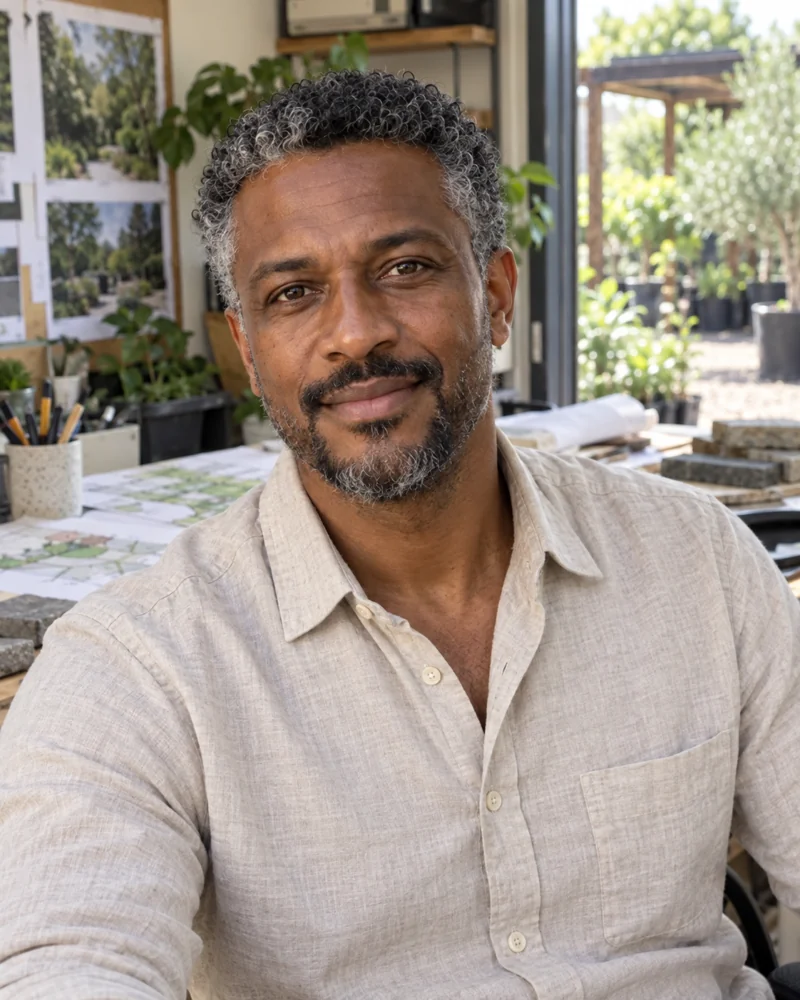
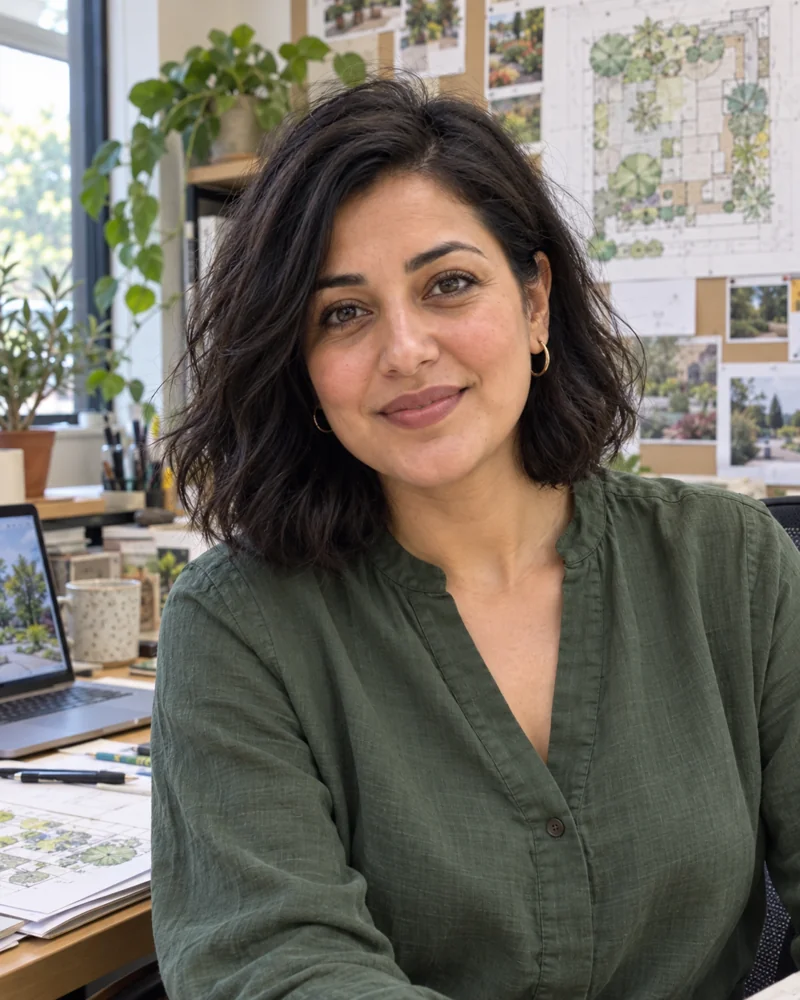
Meet three fictional studio characters exploring project management, design and specialist coordination.
Explore the studio storyPractical answers for your landscape design brief.
Browse all common questions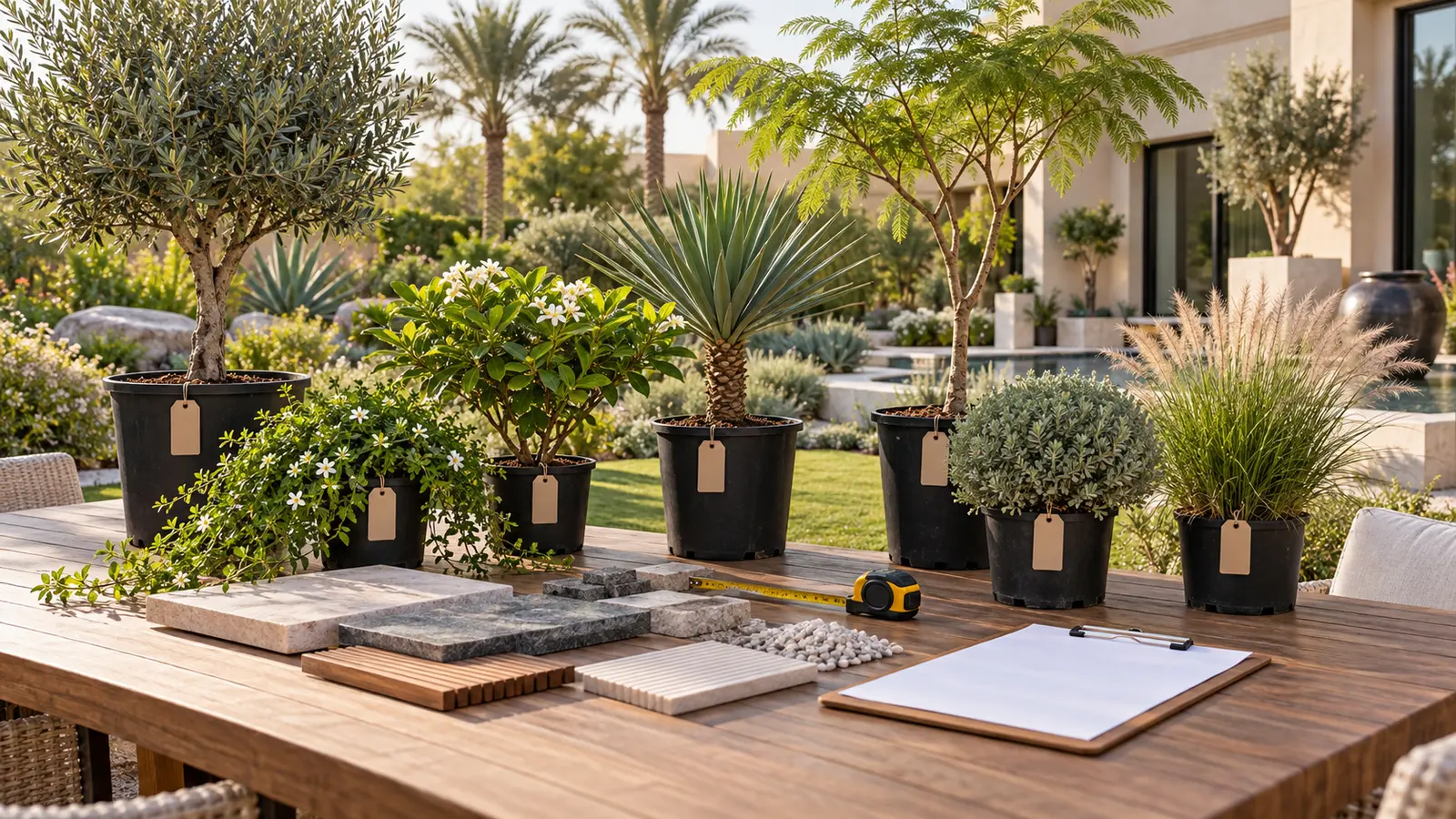
Specification · ·7 min read
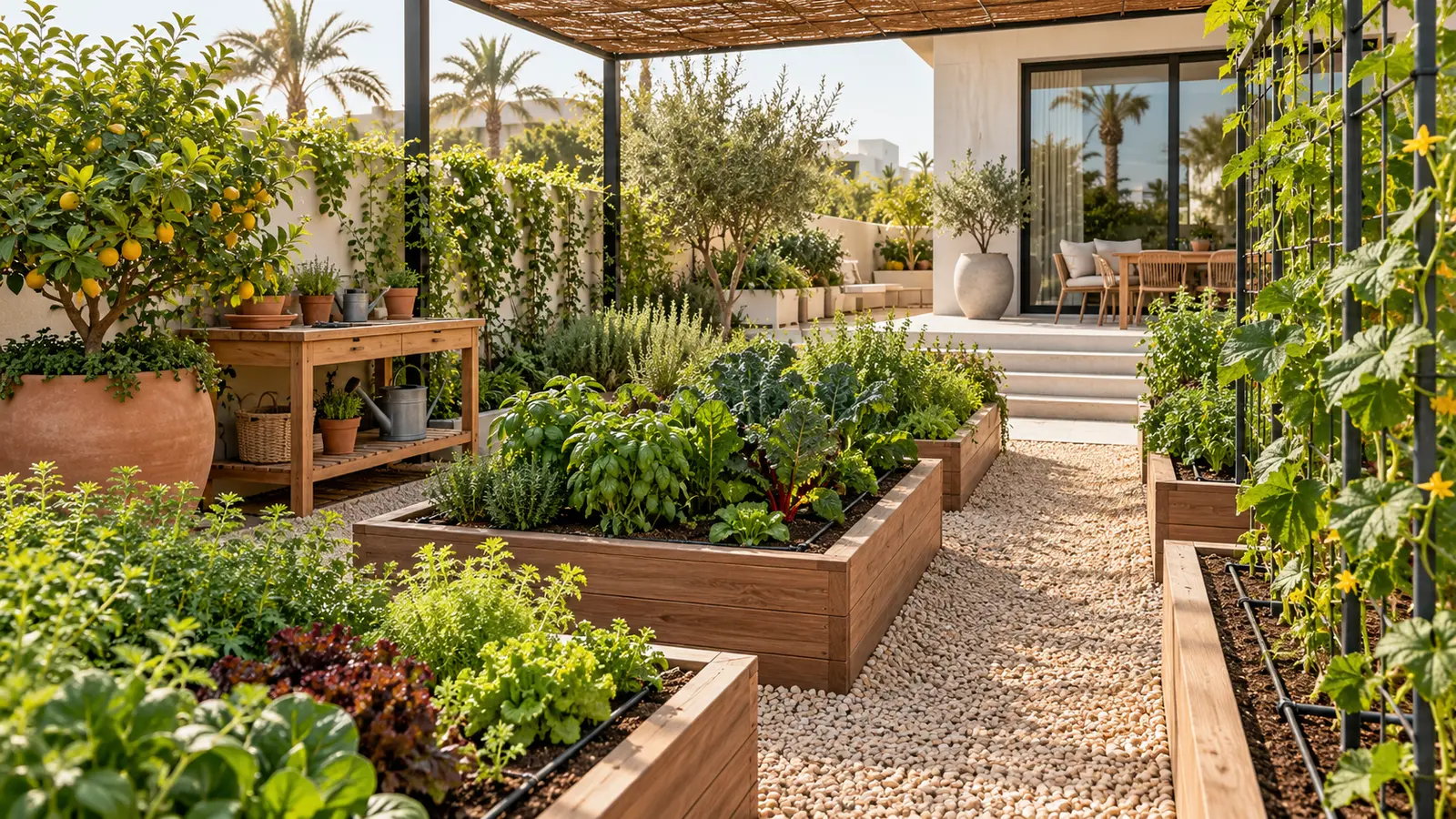
Planning · ·5 min read
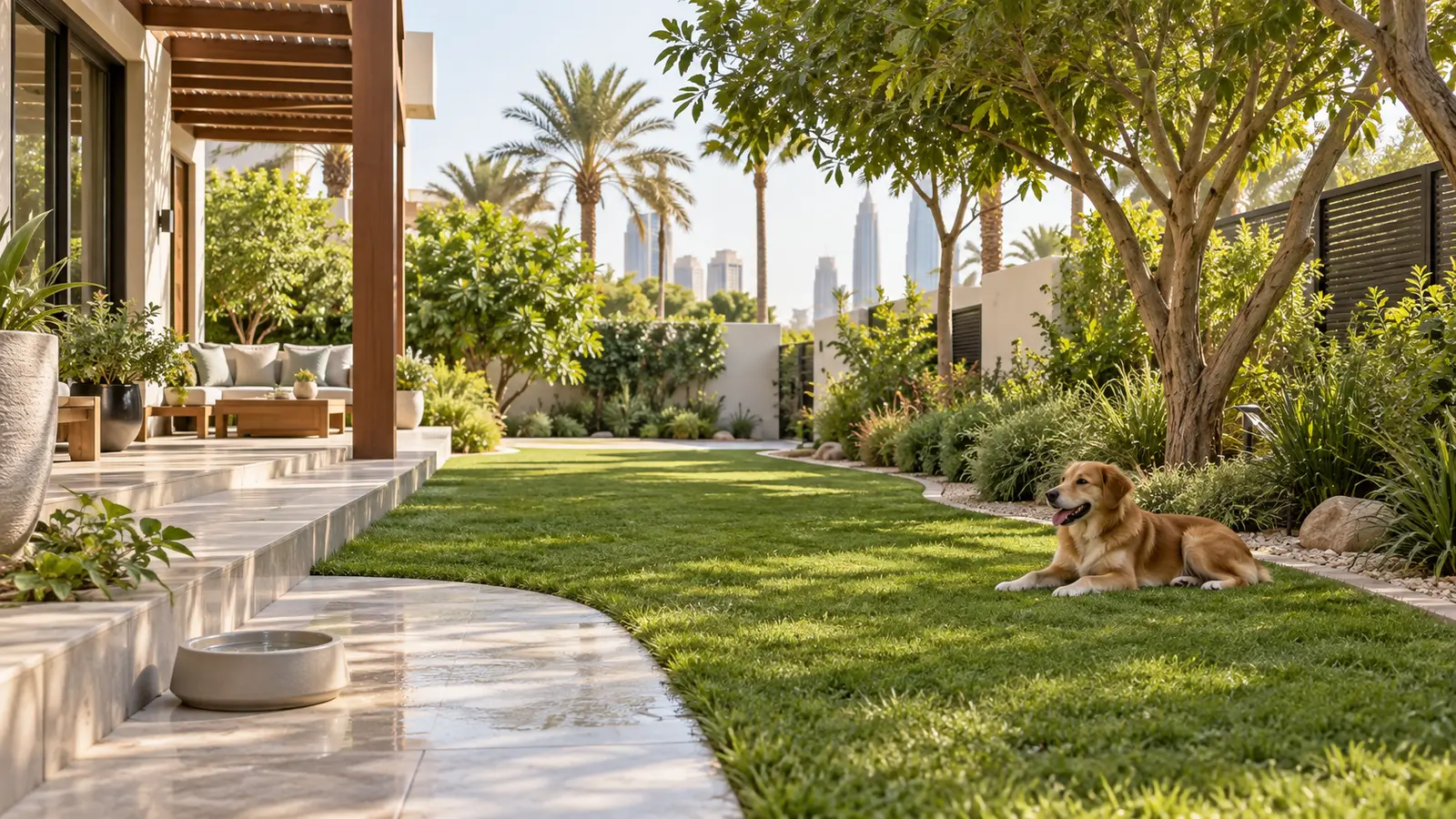
Planning · ·5 min read
Tell us what you have in mind. Start a conversation or send a written project brief.
Send a project enquiry