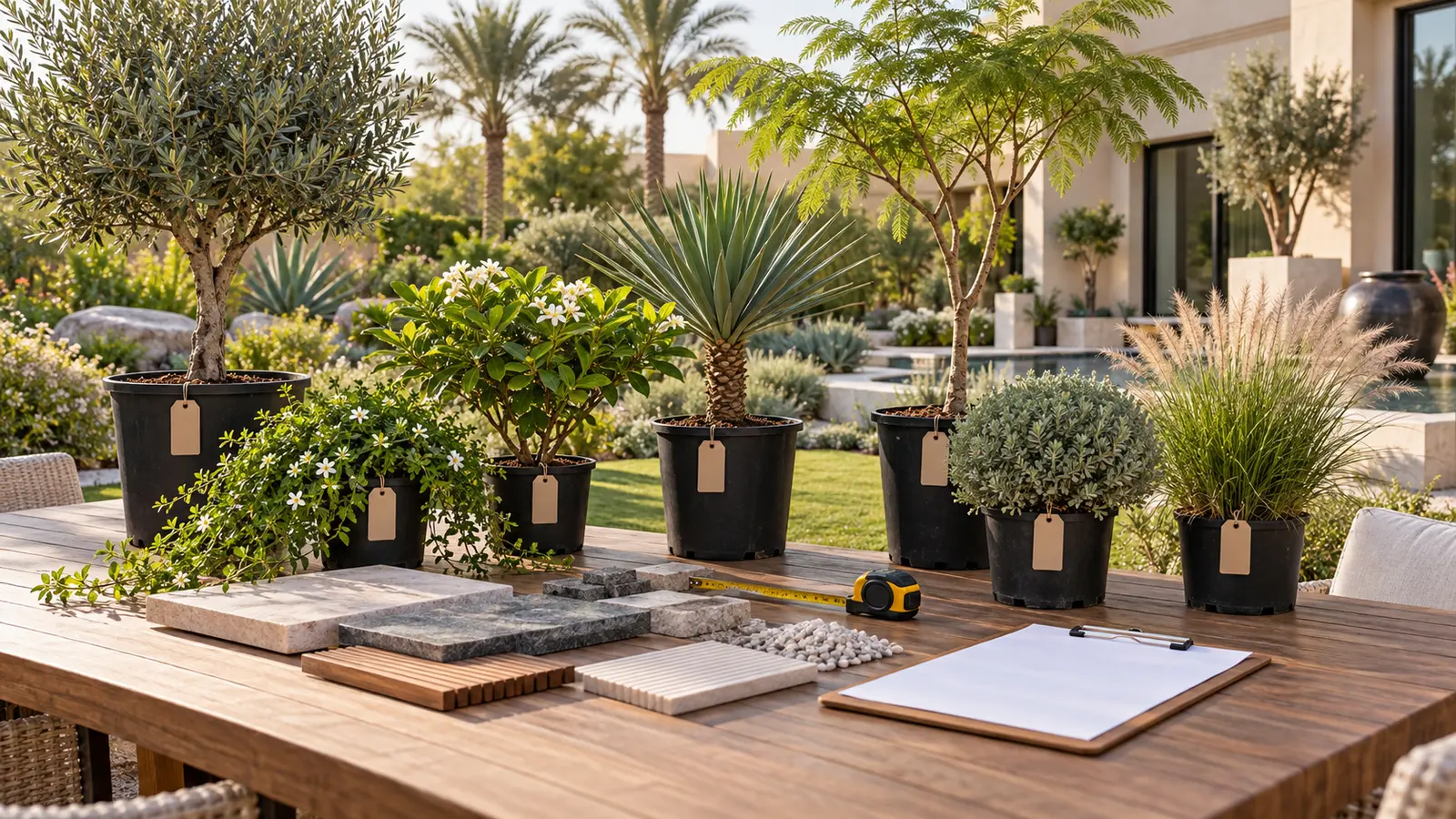
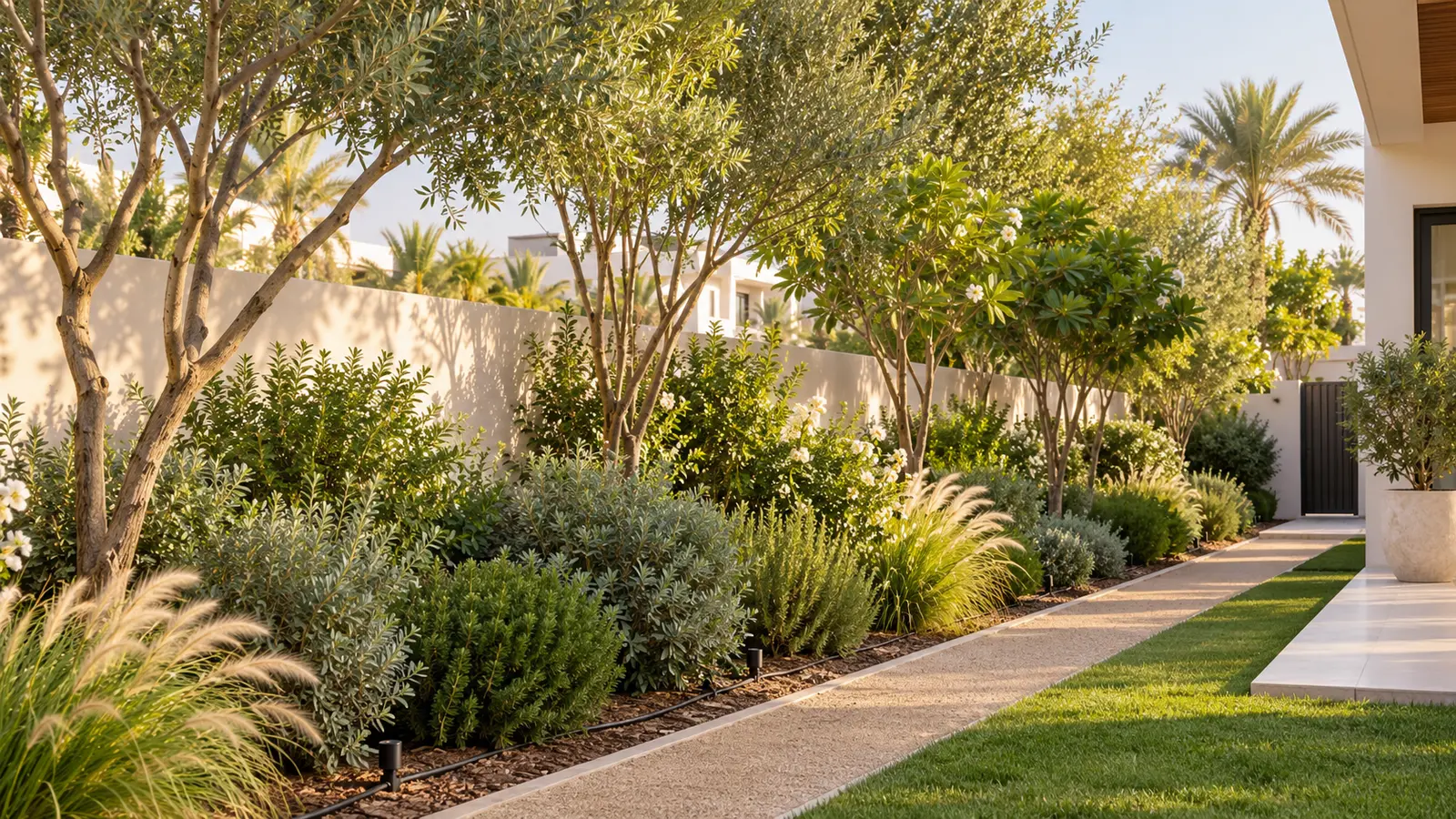
Build a planting palette around the actual light, soil, water and available space. The schedule should explain species, quantities, sizes and the establishment care needed.
Build a planting palette around the actual light, soil, water and available space. The schedule should explain species, quantities, sizes and the establishment care needed. Your proposal identifies the agreed work packages, material choices and responsibilities for your specific property.
01
Site-condition review
02
Plant selection and schedule
03
Soil and planting preparation
04
Establishment plan
BEFORE DESIGN IS FINALISED
The right questions at the right time.
What are the light and soil conditions?
Which existing plants are worth retaining?
What ongoing care is available?
We work through these decisions using the existing property information, site conditions and your priorities. Any specialist review or approval responsibility is identified in the project proposal.
BUDGET & PROGRAMME
Start with the scope.
A useful price follows measured quantities and an agreed specification. For planting and softscape, the scope and installation interfaces matter as much as the visible finish.
The programme separates design, external reviews, procurement and site work. It also records the decisions needed from you before orders or installation can proceed.
A planting palette should respond to sun, shade, soil conditions, irrigation and the space available as plants establish. Consider how the garden changes with growth rather than selecting only for its appearance on installation day. Review the care requirements and replacement approach with the supplier or landscape specialist. Avoid promises that any living palette is entirely maintenance-free.
Keep the agreed choices with the current drawings and specification. Identify who designs, supplies and installs each element, and how the work connects to neighbouring packages.
The proposal should also record any remaining investigations, product information and handover requirements. Resolve changes in writing so their effect on the scope and programme can be reviewed.
A household wants a greener outlook but has different exposure and space conditions across the garden. Ask the landscape specialist to review species, plant sizes and their relationship to the actual site and intended care. Compare immediate appearance with establishment and longer-term growth. A repeated visual palette may still require different care arrangements, so planting and irrigation should be developed together.
A SCOPE YOU CAN REVIEW
What to resolve in the proposal
Request the planting schedule, locations, selected sizes and the basis for species suitability. Identify soil or growing-medium investigations and preparation responsibilities where needed. Clarify procurement, installation, substitutions and establishment care. Record retained and new plants separately, with the agreed support arrangement and any actual replacement terms clearly stated.
Map sun, shade, reflected heat, wind exposure, available soil volume and irrigation across the garden. Conditions can change significantly between a boundary, an entrance court and a sheltered terrace, so one repeated palette may not suit every position. Ask the landscape specialist to connect each selection to the actual site and intended care rather than relying on photographs of a newly installed garden.
Draw plants at a realistic future size and consider how roots, canopies and access relate to paths, walls, equipment and neighbouring planting. Decide where immediate screening is genuinely needed and where smaller stock can establish into the space. A layered plan should explain structure, seasonal change and replacement logic, not simply maximise the number of species on the schedule.
Coordinate supply, irrigation and establishment care
Before ordering, confirm botanical references, selected sizes, quantities, locations and the rules for substitutions. Review the delivered plants and growing conditions before installation, and identify soil preparation or specialist investigation responsibilities where needed. Develop irrigation with the planting plan so zones and emitters respond to the final arrangement rather than a superseded concept.
Agree an establishment plan covering inspections, watering responsibility, adjustment, pruning where appropriate and how concerns are reported. Record any actual replacement terms without implying that living material is guaranteed regardless of conditions or care. At handover, retain the final planting and irrigation information so the owner or maintenance team can identify what is installed and manage changes deliberately.
CONNECTED SCOPE
Plan the neighbouring decisions.
These related services often meet this scope at shared drawings, finishes, services or handover points.