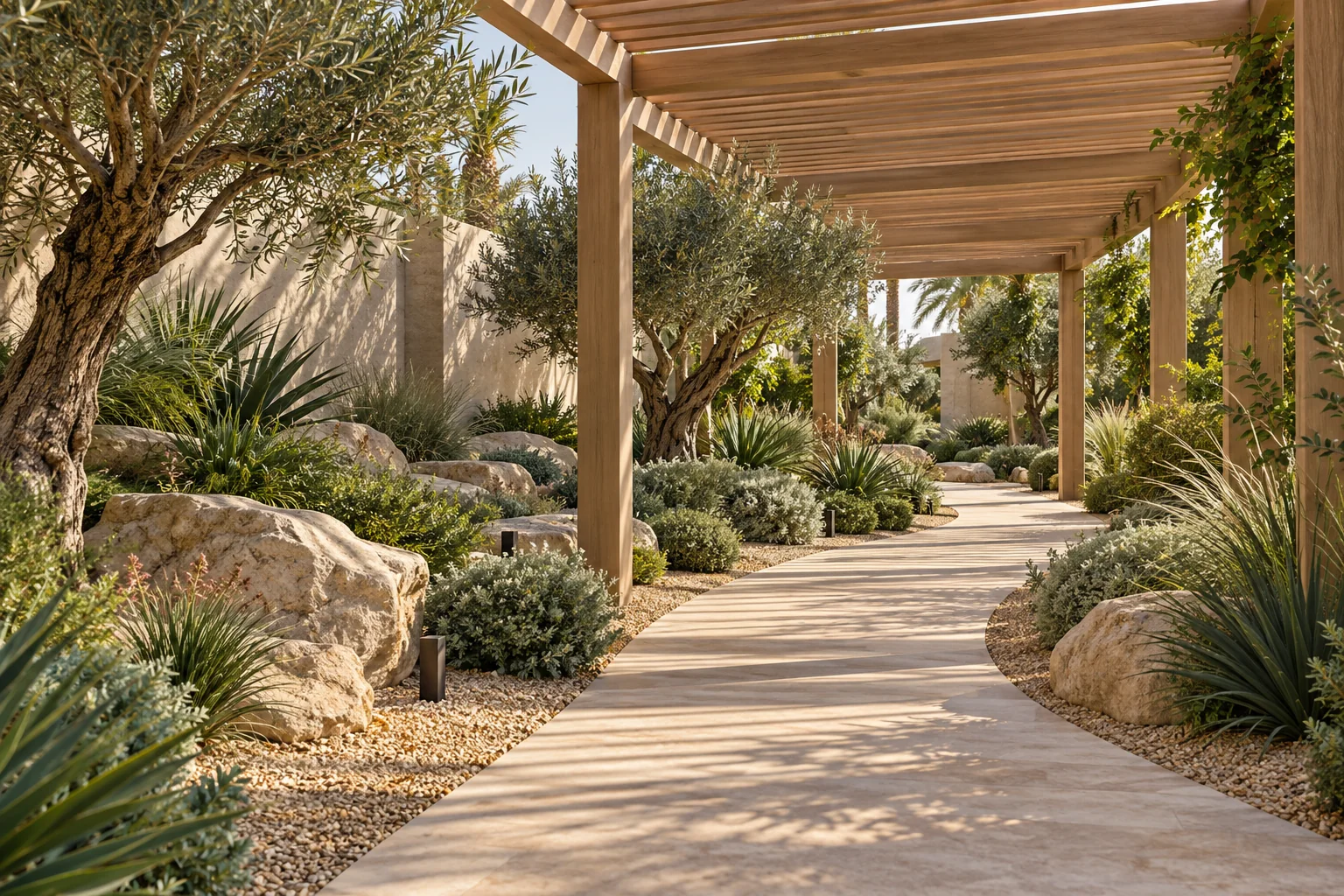
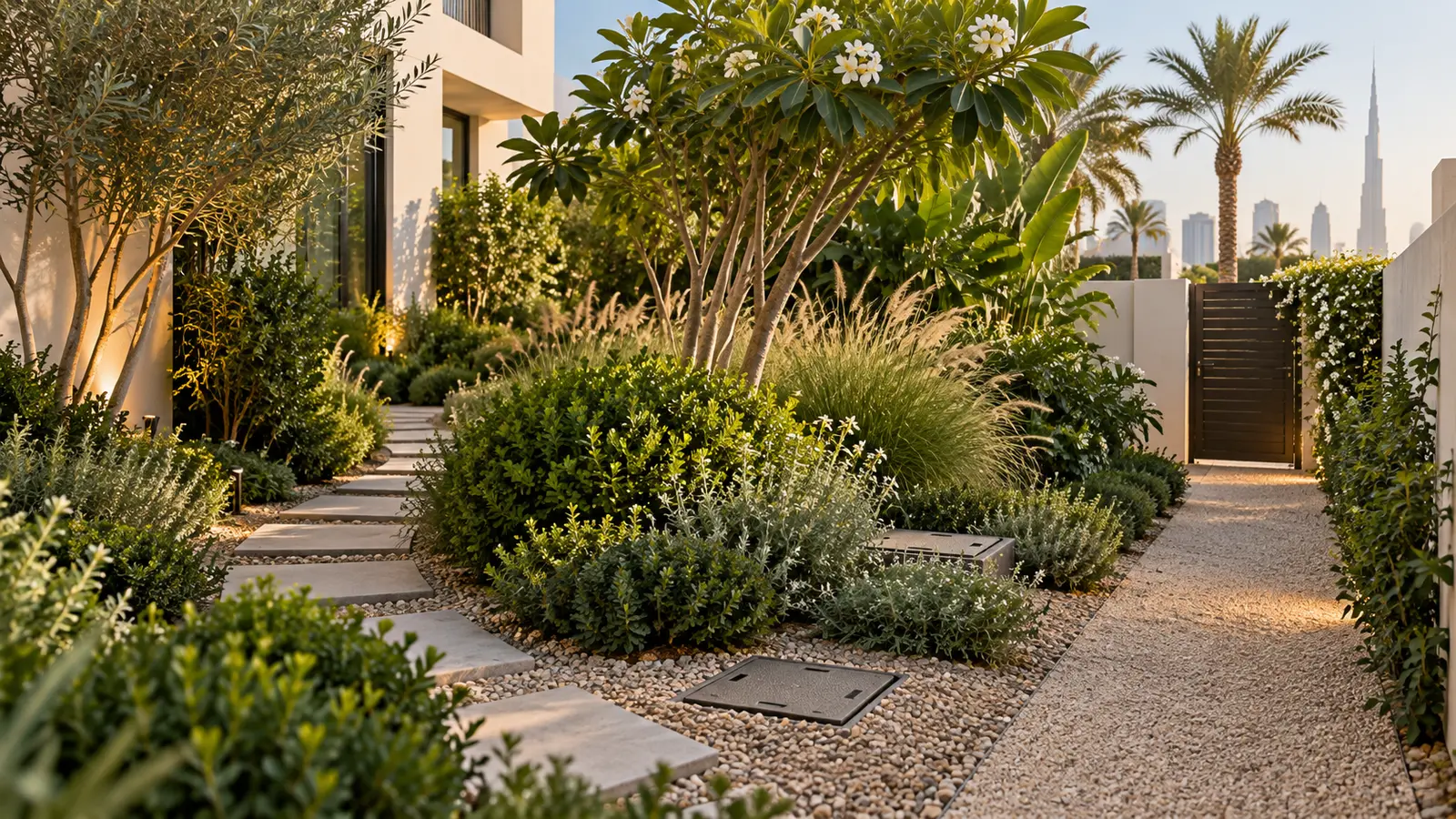
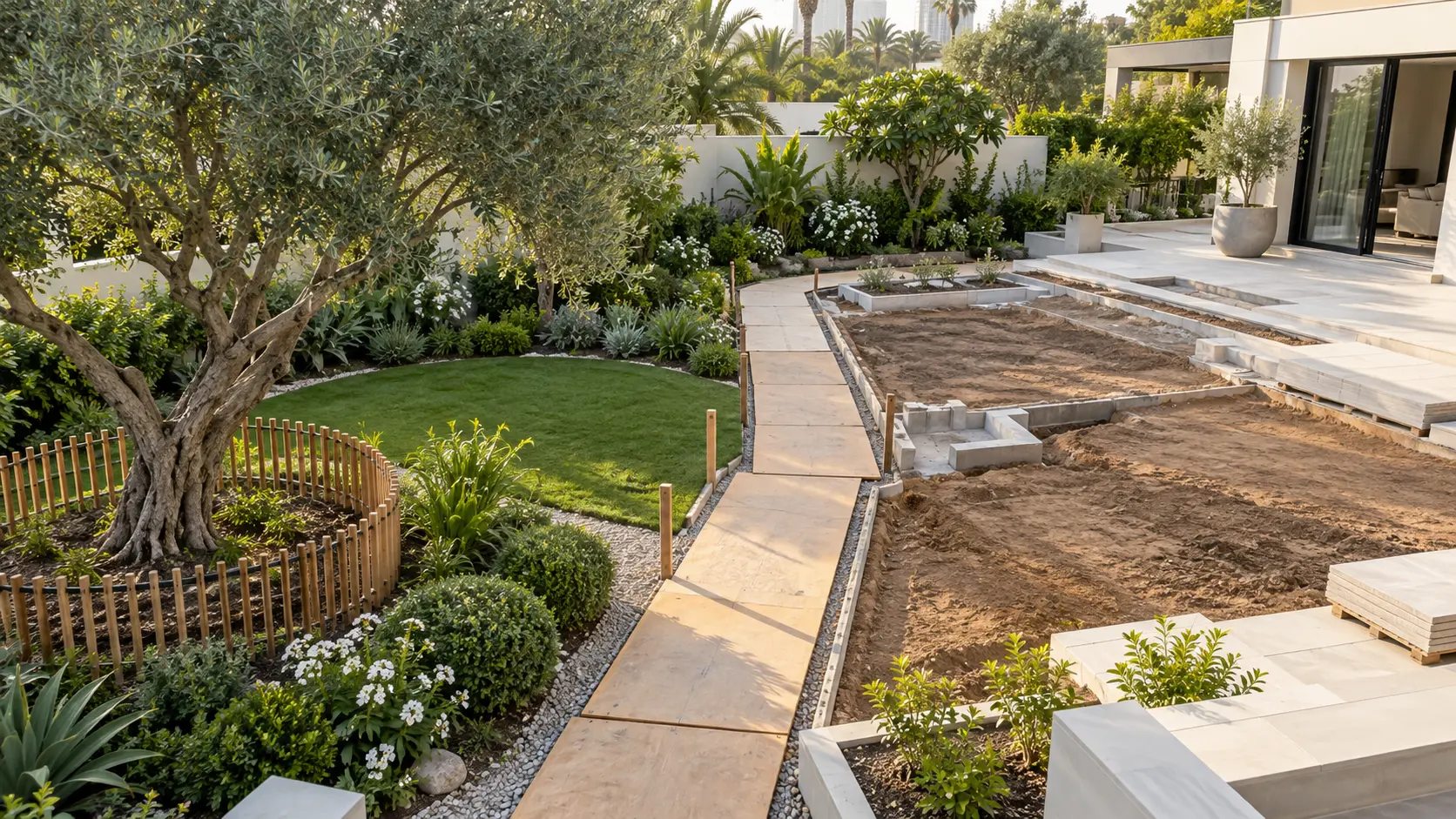
A garden renovation starts with the useful existing features. Review planting, levels and services, then define targeted changes that improve comfort and circulation.
A garden renovation starts with the useful existing features. Review planting, levels and services, then define targeted changes that improve comfort and circulation. Your proposal identifies the agreed work packages, material choices and responsibilities for your specific property.
01
Existing garden assessment
02
Retention and protection plan
03
Targeted hardscape and planting
04
Services and aftercare
BEFORE DESIGN IS FINALISED
The right questions at the right time.
Which features have lasting value?
What currently limits use?
How will retained planting be protected?
We work through these decisions using the existing property information, site conditions and your priorities. Any specialist review or approval responsibility is identified in the project proposal.
BUDGET & PROGRAMME
Start with the scope.
A useful price follows measured quantities and an agreed specification. For garden renovation, the scope and installation interfaces matter as much as the visible finish.
The programme separates design, external reviews, procurement and site work. It also records the decisions needed from you before orders or installation can proceed.
An established garden may contain valuable shade, mature planting and useful hardscape as well as problems. Record what works, what fails and what has changed in the household’s use of the space. Investigate drainage, irrigation and root-related concerns before cosmetic improvements. A phased scope can distinguish repairs, retained features and new elements clearly.
Keep the agreed choices with the current drawings and specification. Identify who designs, supplies and installs each element, and how the work connects to neighbouring packages.
The proposal should also record any remaining investigations, product information and handover requirements. Resolve changes in writing so their effect on the scope and programme can be reviewed.
An owner wants a fresh garden while preserving useful shade and established character. Begin with a record of existing planting, surfaces, equipment and the household's current frustrations. Compare retention, selective renewal and more extensive changes with appropriate professional advice. A thoughtful renovation does not require replacing everything, but retained elements need protection and a clear relationship with the proposed work.
A SCOPE YOU CAN REVIEW
What to resolve in the proposal
Request existing and proposed layouts, a retained-elements schedule and defined investigations. Identify interfaces with irrigation, drainage, lighting and any pool or structures. Clarify protection, removals, substitutions and establishment responsibilities. Keep confirmed scope and future ideas separate so the owner can compare a coherent first stage with any later additions.
Walk through the garden at the times you normally use it and list specific frustrations: an awkward route, an exposed seating area, storage in the wrong place or planting that no longer suits the space. Compare a targeted repair-and-renewal option with a wider redesign against that same list. Keeping a useful feature can preserve character, but retention should follow a condition review rather than habit alone.
Mark what must stay, what could move and what needs professional assessment on an existing plan. Include mature planting, irrigation controls, lighting and utility access as well as paving and furniture. For each option, ask what will be disturbed and reinstated. A selective project can still affect adjoining elements, so its scope should describe the connections rather than only the new finishes.
Set realistic boundaries for a phased garden
Choose a first stage that leaves a coherent area for the household to use, with the appropriate arrangements reviewed by the appointed team. Compare the access and storage needed for later work with the features being completed now. A finished path or planting bed may be affected again if it lies on the delivery route for the next stage.
Discuss future ideas early enough to identify dependencies, but keep them separate from committed work. Ask which decisions are needed now and which can reasonably remain open. Where retained plants may be affected, have the landscape specialist define suitable protection and any proposed relocation. Do not assume that every established plant can be moved successfully or that temporary care is included without an explicit appointment.
Turn establishment care into named responsibilities
Agree who looks after retained and new planting during the work and after handover. Request a plant schedule and care guidance appropriate to the actual selections and site, with irrigation review by the responsible specialist. Clarify which visits, adjustments or replacements are included and what conditions apply. Avoid treating a general promise of aftercare as a defined service.
At the final walk-through, review the agreed routes, access to equipment and the condition of retained features. Keep outstanding work separate from the changes expected as planting establishes. Record the installed products and relevant maintenance contacts, then agree how concerns should be reported. A useful renovation record helps the owner care for the garden without confusing seasonal change with an unresolved construction or supply issue.
CONNECTED SCOPE
Plan the neighbouring decisions.
These related services often meet this scope at shared drawings, finishes, services or handover points.