The direct answer
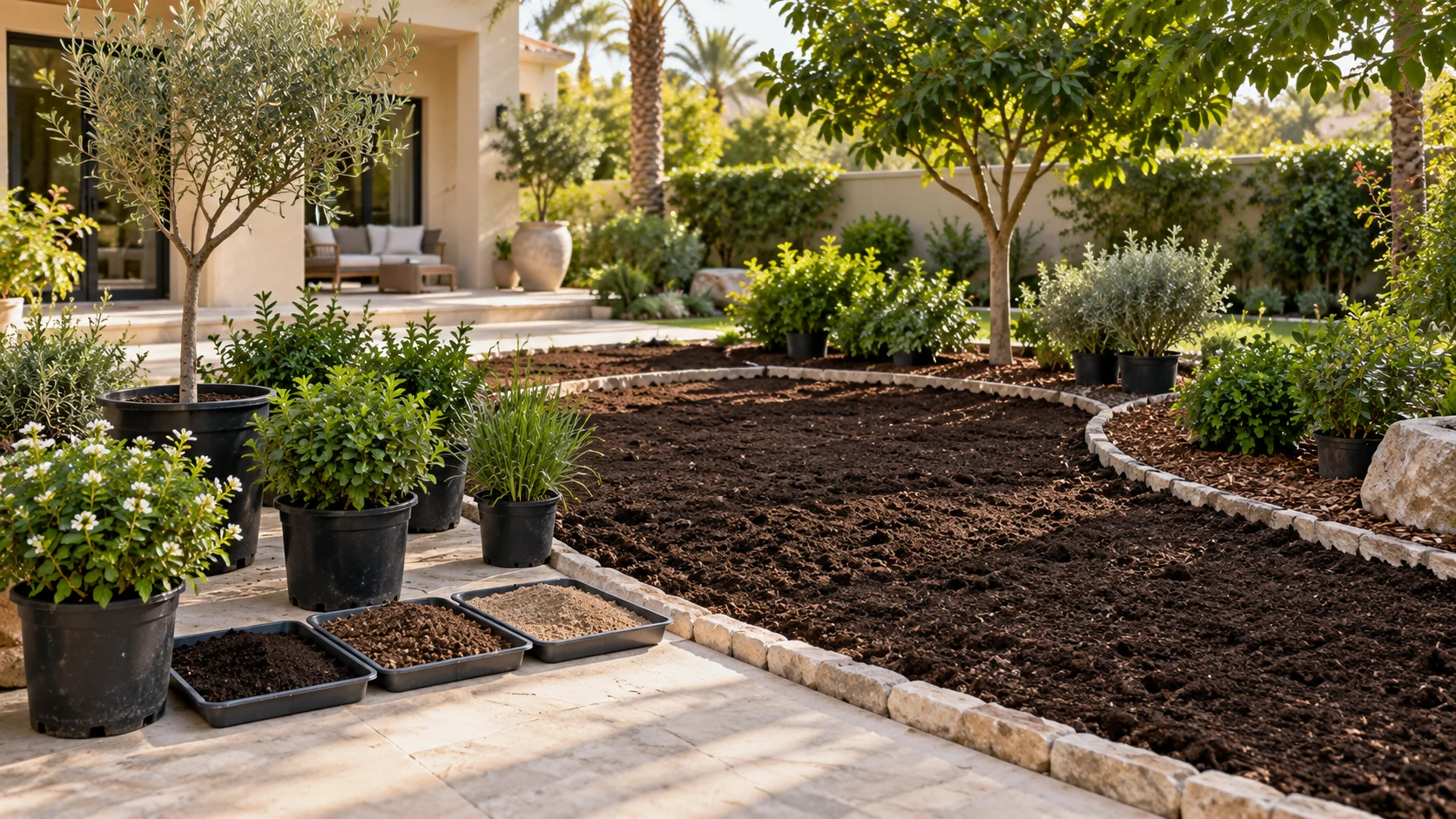
Before ordering plants, settle the existing soil condition, imported-soil specification, planting depths and volumes, drainage behaviour, irrigation zones, retained roots, preparation method, quality checks and establishment responsibilities. Link each planting zone to the proposed species rather than writing one generic note for the whole garden. The purpose is not to prescribe a universal soil recipe. It is to give the landscape designer, supplier and contractor a shared basis for confirming that the selected plants have a suitable root environment and a realistic care plan.
Divide the garden into soil and exposure zones
Map beds, tree pits, planters, lawn or groundcover areas and retained planting. For each zone, record sun and shade, reflected heat, wind exposure, nearby walls, expected irrigation and the likely root volume. Existing gardens may contain construction debris, compacted layers or previous imported soil, while raised planters can behave differently from open ground. Do not assume appearance identifies performance. Where needed, arrange appropriate investigation and testing through competent specialists, then keep the results linked to the exact sampling location.
- Reference every bed and tree position
- Record existing and proposed levels
- Note retained roots and protection zones
- Identify planters with restricted depth or drainage
- Keep samples tied to mapped locations
Match preparation to the planting schedule
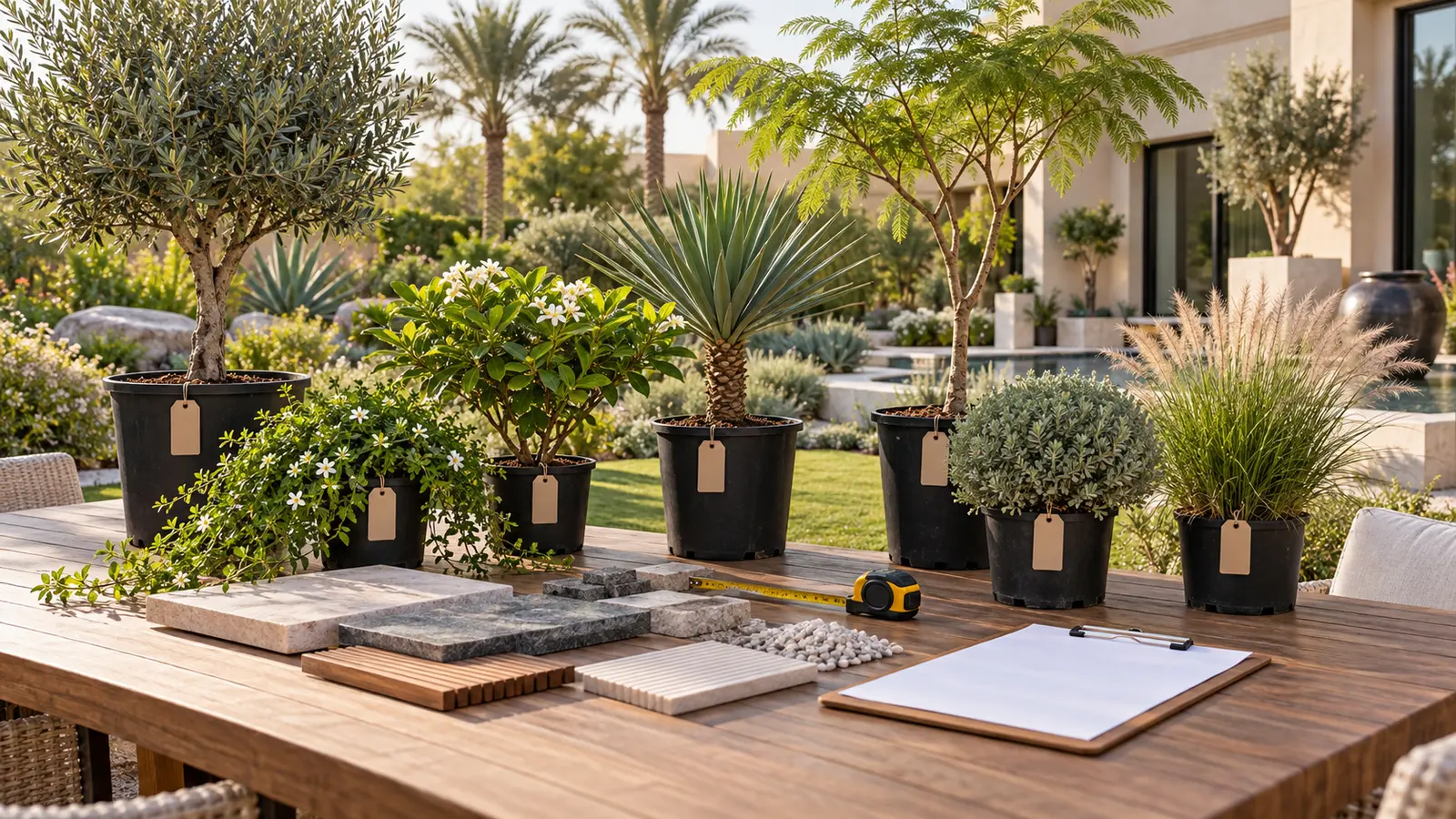
The planting schedule should state botanical identity, quantity, intended size and form, while the soil brief explains the receiving conditions. Review mature root needs, drainage sensitivity and maintenance implications without making unsupported guarantees about plant performance. If species are provisional, define the condition they must suit before ordering substitutes. A nursery availability list is not a design decision on its own. Confirm that any proposed change still fits the light, soil, irrigation, space and overall palette.
Coordinate drainage and irrigation with the root zone
Water must reach the intended root area without creating persistent saturation or leaving dry pockets. Review irrigation zones against plant groups, bed shapes, slopes, existing services and access for maintenance. Soil amendment cannot repair a drainage route that directs water into a confined planter, and extra irrigation cannot compensate for unsuitable compacted preparation. The irrigation designer and landscape team should use the same planting plan and current levels. Keep valves, test points and service access available after planting matures.
Planning example
Planning example: a fictional villa garden includes a sunny boundary bed, a shaded entrance planter and two retained trees. The initial nursery list repeats the same shrubs in all three areas. Site review finds shallow soil beside the entrance, reflected heat at the boundary and important surface roots beneath one proposed bed. The revised brief increases useful root volume where feasible, chooses a separate shade-tolerant palette for the entrance, keeps heavy preparation away from retained roots and adjusts irrigation zones. The final plant order follows the confirmed conditions instead of forcing one supplier list across the property.
Write measurable quality checks
Replace vague notes such as good soil with checks that the project team can inspect. The brief can identify approved sample locations, required supplier documentation, removal of unsuitable debris, preparation extent, finished levels, settlement allowance, drainage observations and sign-off points before planting. Exact laboratory parameters and amendment rates must come from the project’s professional specification and test results. Photograph completed preparation by zone before plants cover it, and retain delivery records for imported materials where required.
Plan establishment before delivery day
Confirm delivery access, temporary holding conditions, planting sequence, initial irrigation checks, staking or support where specified, mulching, monitoring and replacement responsibilities. Large plants should not arrive before the receiving areas, lifting route and specialist team are ready. Define who can accept substitutions and what evidence is needed. Establishment care should record observations and responses rather than promising that every plant will perform identically. Seasonal conditions, stock quality and site exposure still matter.
The pre-order checklist
The order is ready when the plant schedule, mapped conditions, soil brief, irrigation design and programme agree. Review current availability only after the non-negotiable site criteria are clear.
- Planting zones and root-space constraints are mapped
- Existing soil and drainage uncertainties are investigated
- Preparation is specified by zone
- Plant selections suit confirmed light and space conditions
- Irrigation uses the same planting schedule
- Retained plants have protection requirements
- Delivery, inspection and establishment roles are assigned
Limitations and a useful next step
This article cannot specify soil chemistry, amendments, drainage construction, irrigation rates or plant suitability for a particular property. Those require site-specific assessment and competent landscape, soil and irrigation input. Dubai Municipality’s 2026 greenery guidance covers design, softscape, water management and maintenance at a city level, but project and community requirements still need verification. The useful next step is a soil-and-planting coordination review on site, followed by a signed schedule that records the preparation and aftercare assumptions behind the nursery order.
Sources & further reading
Make this useful for your project.
A review of your property and priorities can turn general guidance into a defined brief.
Explore Planting and softscapeDiscuss your project