Describe the differences across the garden
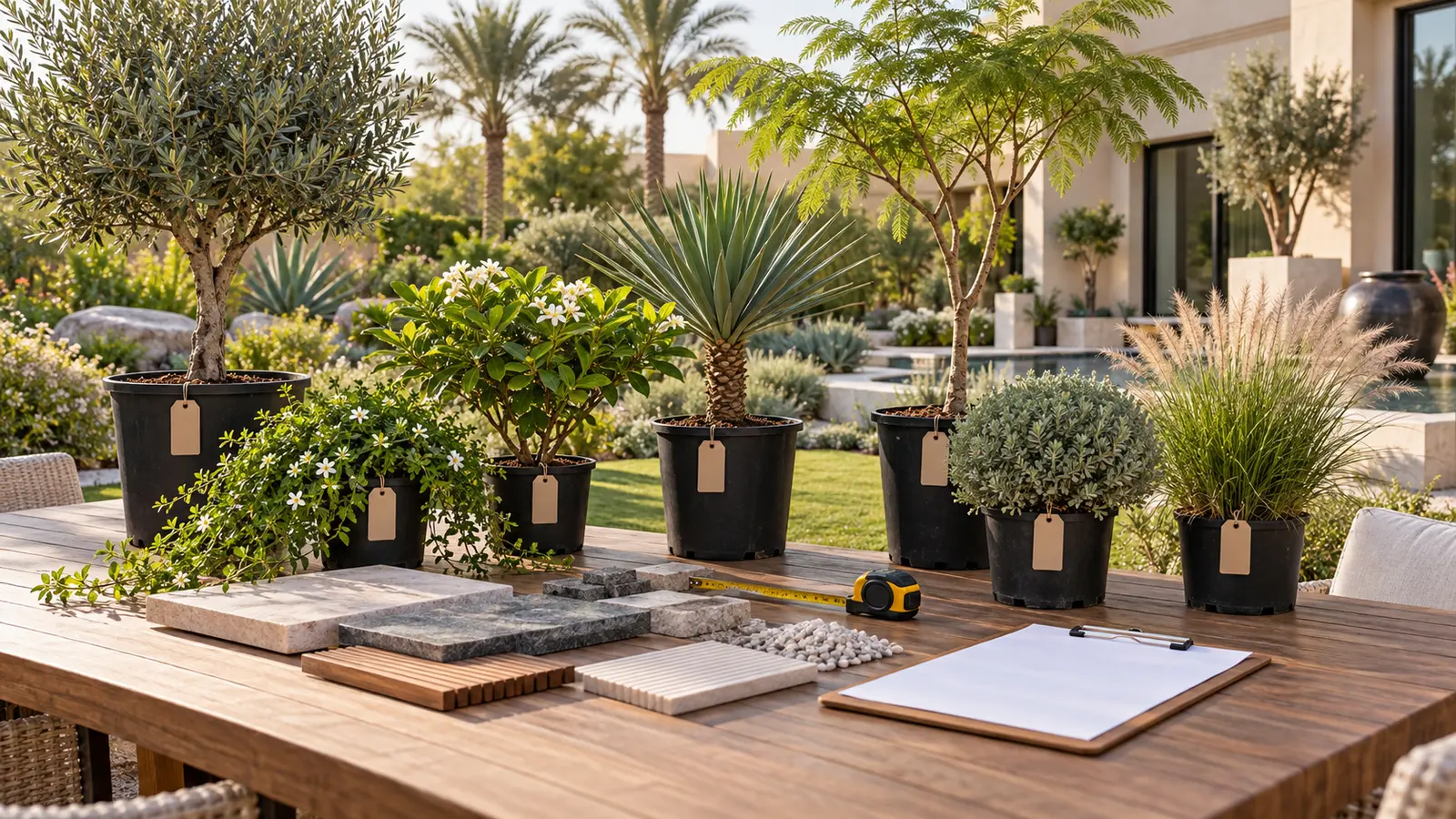
Record areas of sun and shade, retained plants, new planting and the supporting soil information. Different areas may need different treatment, which the appointed irrigation designer should assess. A single broad label such as “garden beds” can hide meaningful differences in the way water needs to be delivered and managed.
Make the system understandable
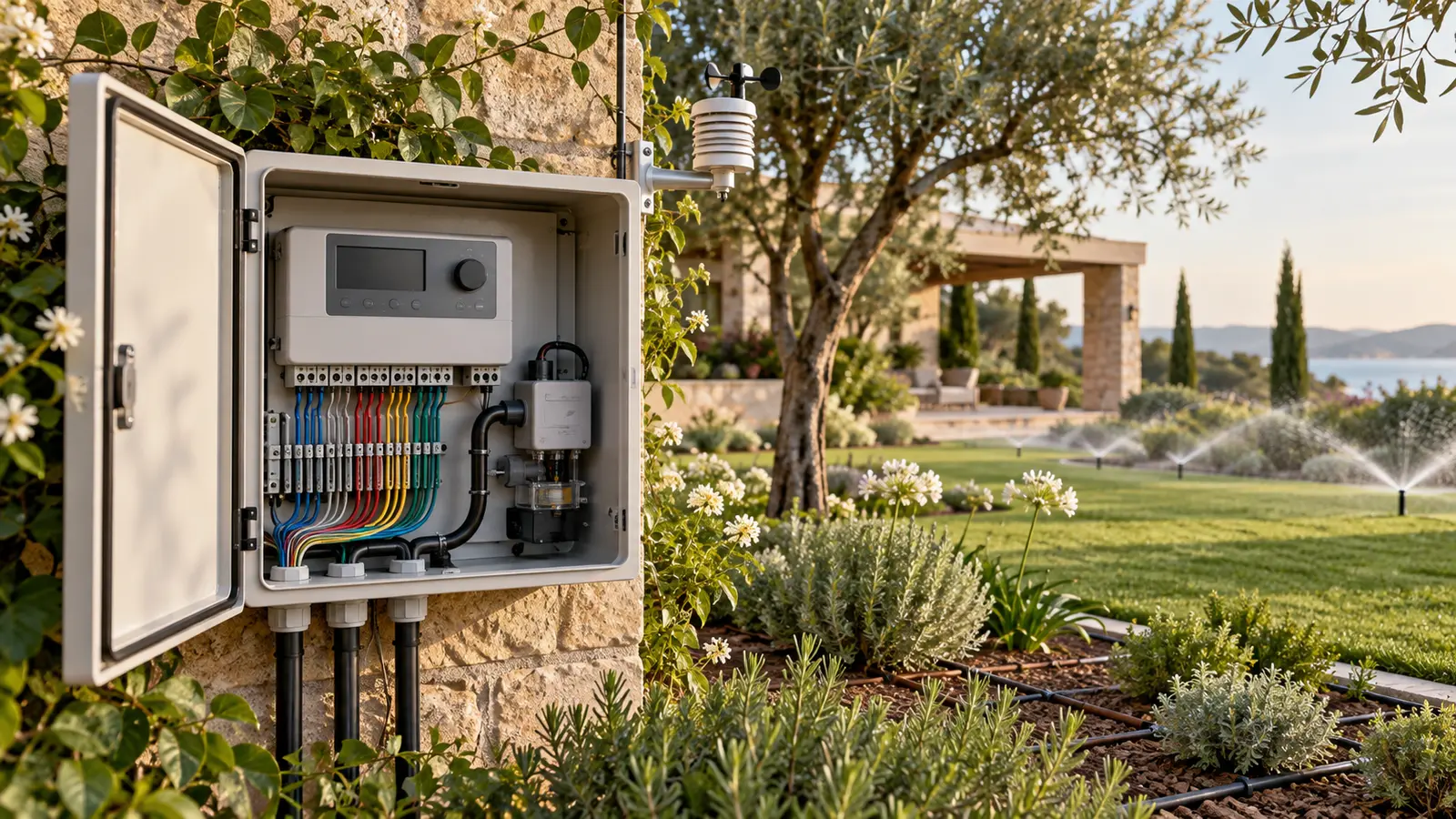
Ask for the proposed zones, controls and accessible components to be identified in the design and handover information. Discuss how changes in planting will be reviewed. The operator should understand which area a control affects and whom to contact about adjustment or faults, without having to reconstruct the system from memory.
Observe and adjust with appropriate support
An irrigation schedule should respond to the actual garden and changing conditions. Keep a route for reporting leaks, blocked components or uneven coverage to the maintenance specialist. Observation is useful, but it is not a substitute for a properly designed system. Avoid assuming more water is the answer to every planting problem.
A planning scenario
A fictional garden combines a shaded courtyard bed with a more exposed boundary. The irrigation brief records the difference and asks the specialist to explain the proposed controls. The example shows why planting and water delivery should be coordinated; it does not prescribe a watering duration or plant selection.
A useful review checklist
Use these prompts to turn the discussion into a record that can be compared with drawings, supplier information and the project scope. Mark what is confirmed, who needs to respond and when the decision is required.
- Map exposure and planting areas
- Review soil and water information
- Identify zones and controls
- Keep valves and filters accessible
- Agree an observation and adjustment routine
Group needs before selecting equipment
Review the planting plan with the irrigation designer, identifying differences in exposure, planting type, establishment stage and site conditions. Zones should respond to the actual design and technical assessment rather than simply divide the plot into equal areas. Rain Bird's low-volume guidance explains the value of matching water application to plant needs, while recognising the importance of proper design and maintenance. Use that principle as a briefing question, not as a universal watering prescription.
Make the plan understandable to the owner
Ask for a clear record linking the controller or operating information to the areas served. Use recognisable garden locations and retain the relevant product and installer details. The owner should be able to describe a concern accurately without needing to redesign the system. Keep technical programming and adjustments within the agreed responsibilities, especially where the household relies on a maintenance provider to monitor changing conditions.
Planning example: shaded beds and exposed planters
Imagine a shaded planting bed and exposed containers are treated as though they have identical needs. Ask the landscape and irrigation specialists to review the actual plants, soil or growing medium and exposure. The appropriate response comes from that assessment rather than a guessed schedule. The example shows why a visually unified planting palette can still contain different care requirements that should be discussed before equipment is selected and installed.
Review observations through the establishment period
Record visible concerns, changes in weather exposure and any adjustments made by the responsible provider. Distinguish an observation from a diagnosis: plant appearance alone may not establish the cause of a problem. Keep the planting and irrigation information together so the relevant specialist can review the whole setting. If areas are replanted or surfaces change, revisit the associated system requirements rather than assuming the original arrangement remains suitable indefinitely.
Carry the decision through to delivery
Keep the accepted decision with the current scope and drawings. If a product, layout or responsibility changes, record the effect on the other work before purchasing or proceeding. At completion, retain the relevant operating and care information with the project record. The next conversation is more useful when the unresolved questions are visible.
Sources & further reading
Make this useful for your project.
A review of your property and priorities can turn general guidance into a defined brief.
Explore Irrigation systemsDiscuss your project